Siding replacement
Removing failed wood, hardboard or vinyl siding and installing new siding over repaired sheathing and a new weather barrier, with trim, corners and paint. The material is chosen for the house; see the comparison below.
We treat the outside of a house as construction, not as a product install. The old cladding comes off, the wall behind it is checked and repaired, and the new exterior goes back on with a proper weather barrier, new flashing and the windows, doors and trim that belong with it. Whole-house renovations, one failing wall and repairs after storm damage are all work we take.
The work is done by our crews and by masons, stucco and siding installers we work with, under one contract and one schedule.
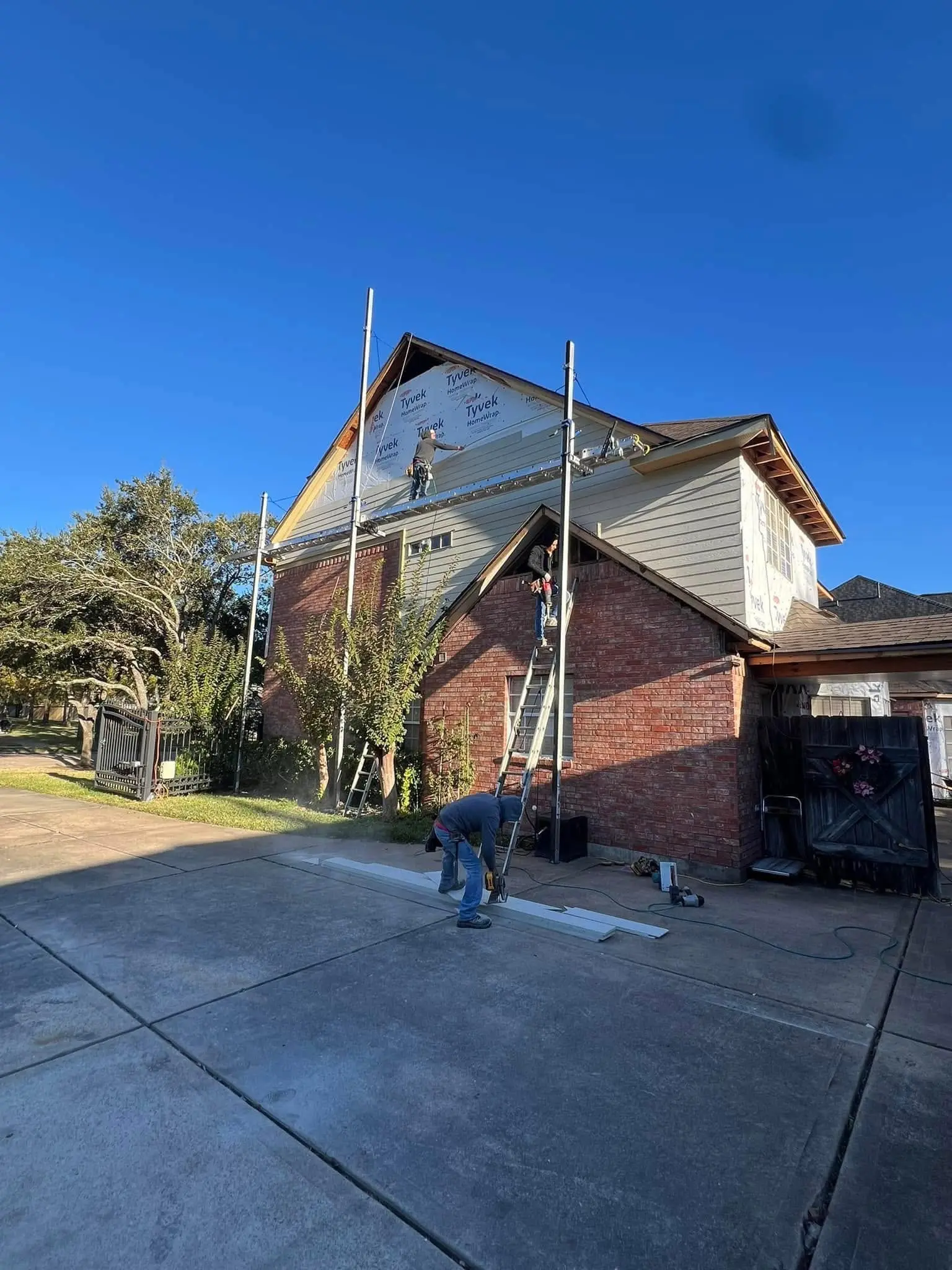
Removing failed wood, hardboard or vinyl siding and installing new siding over repaired sheathing and a new weather barrier, with trim, corners and paint. The material is chosen for the house; see the comparison below.
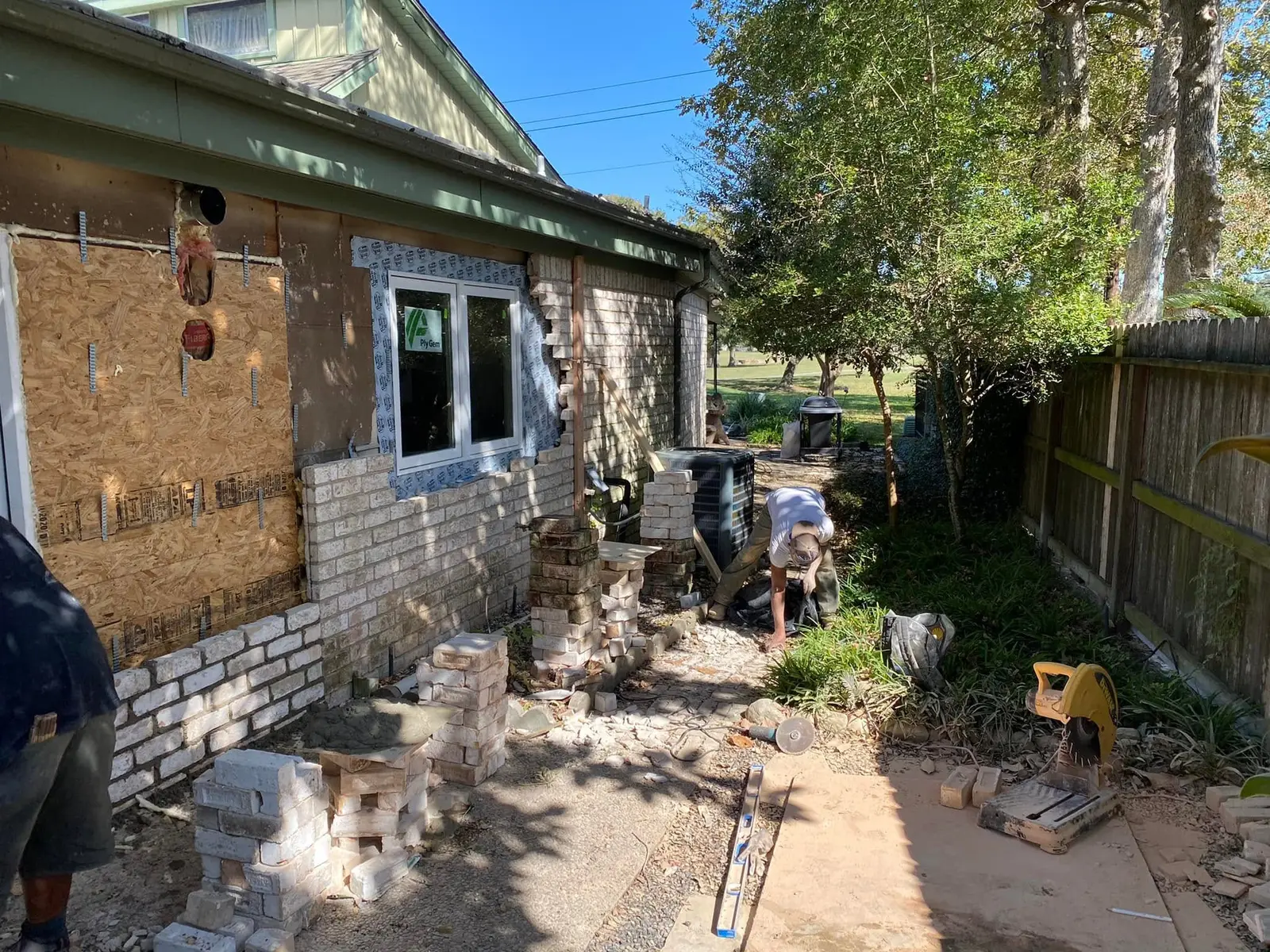
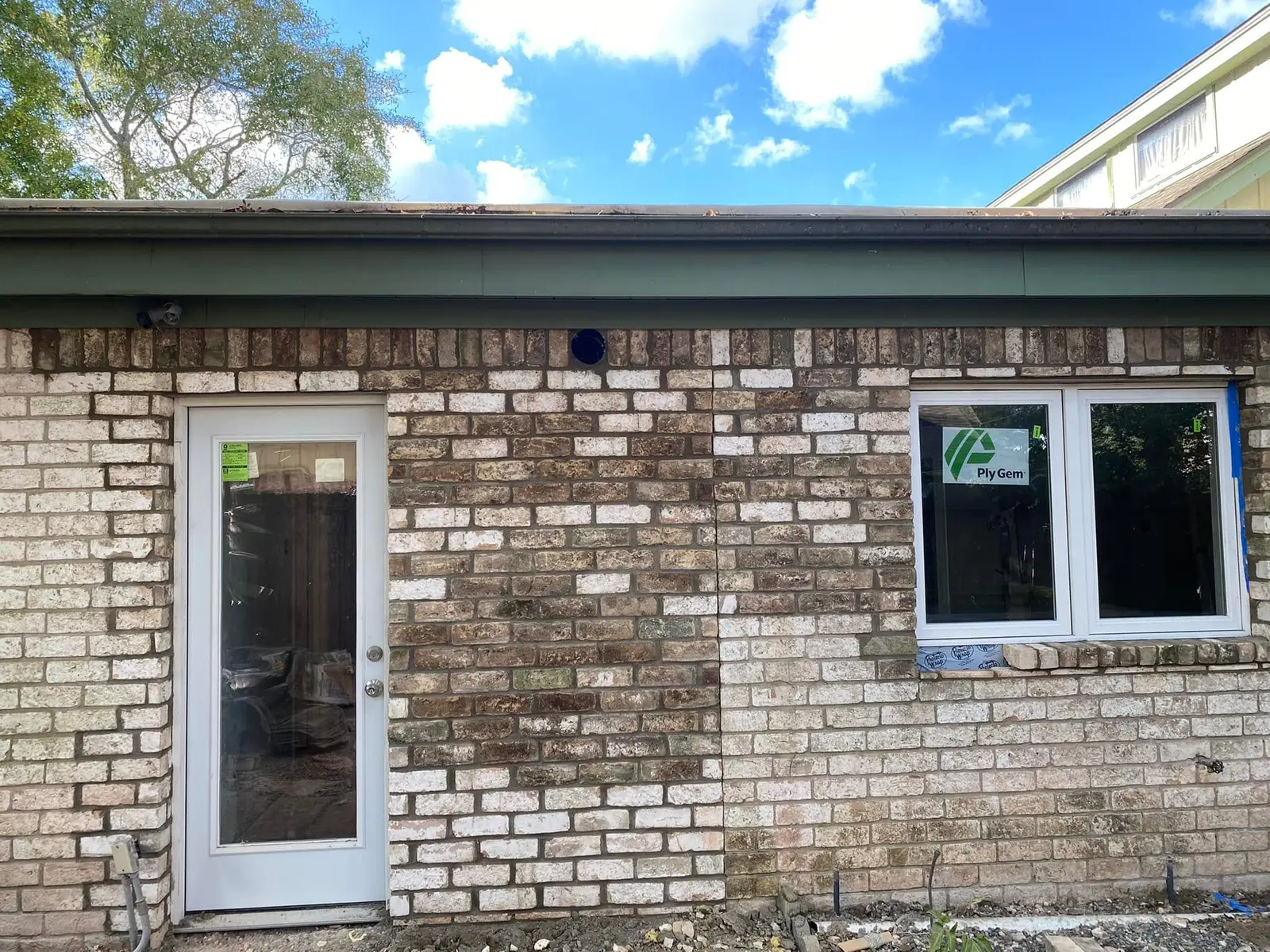
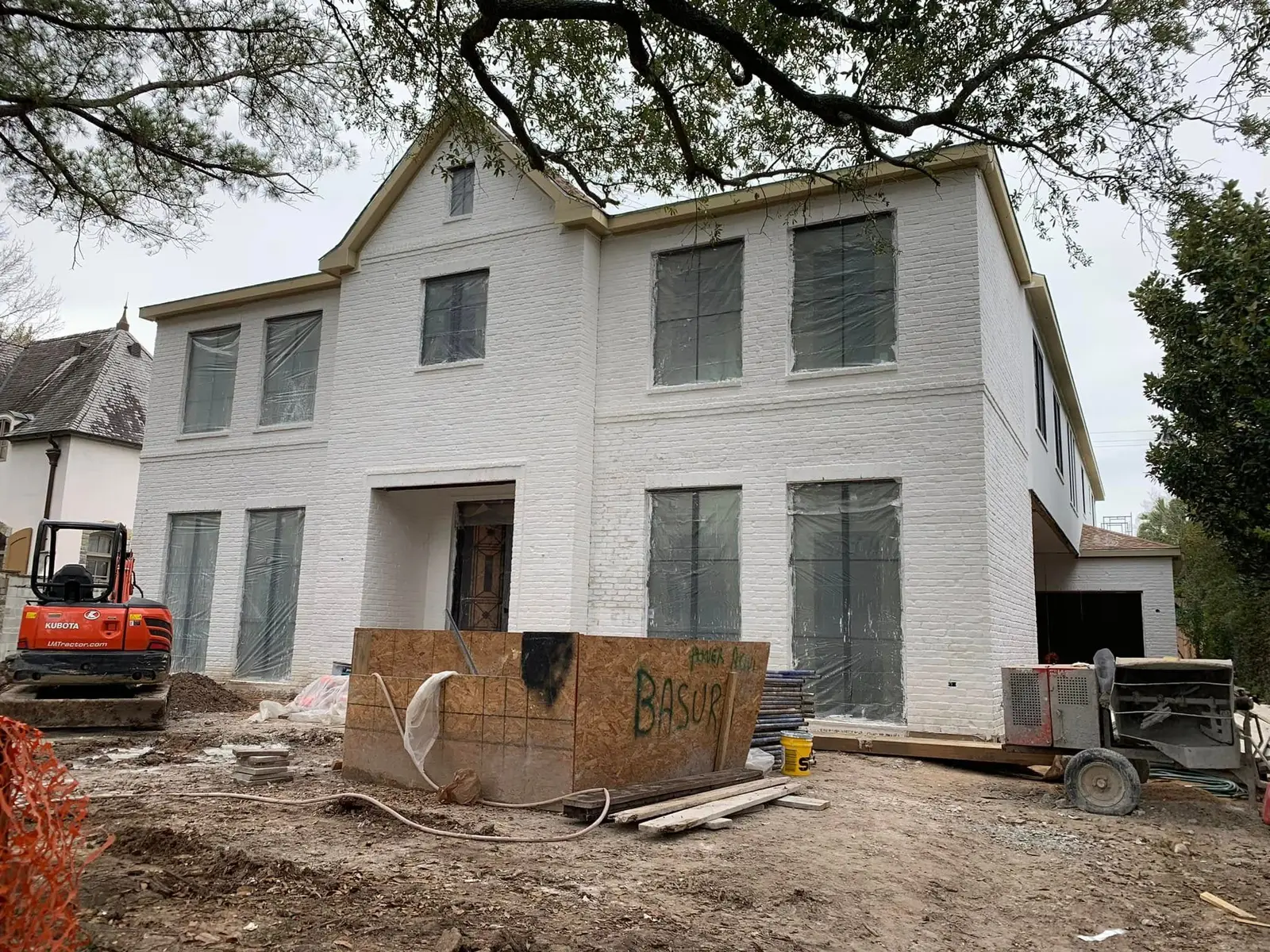
Taking down damaged or unwanted brick, rebuilding sections, replacing rusted lintels over openings, and laying new veneer. On additions and altered openings, new brick is blended to the old as closely as the available brick allows.
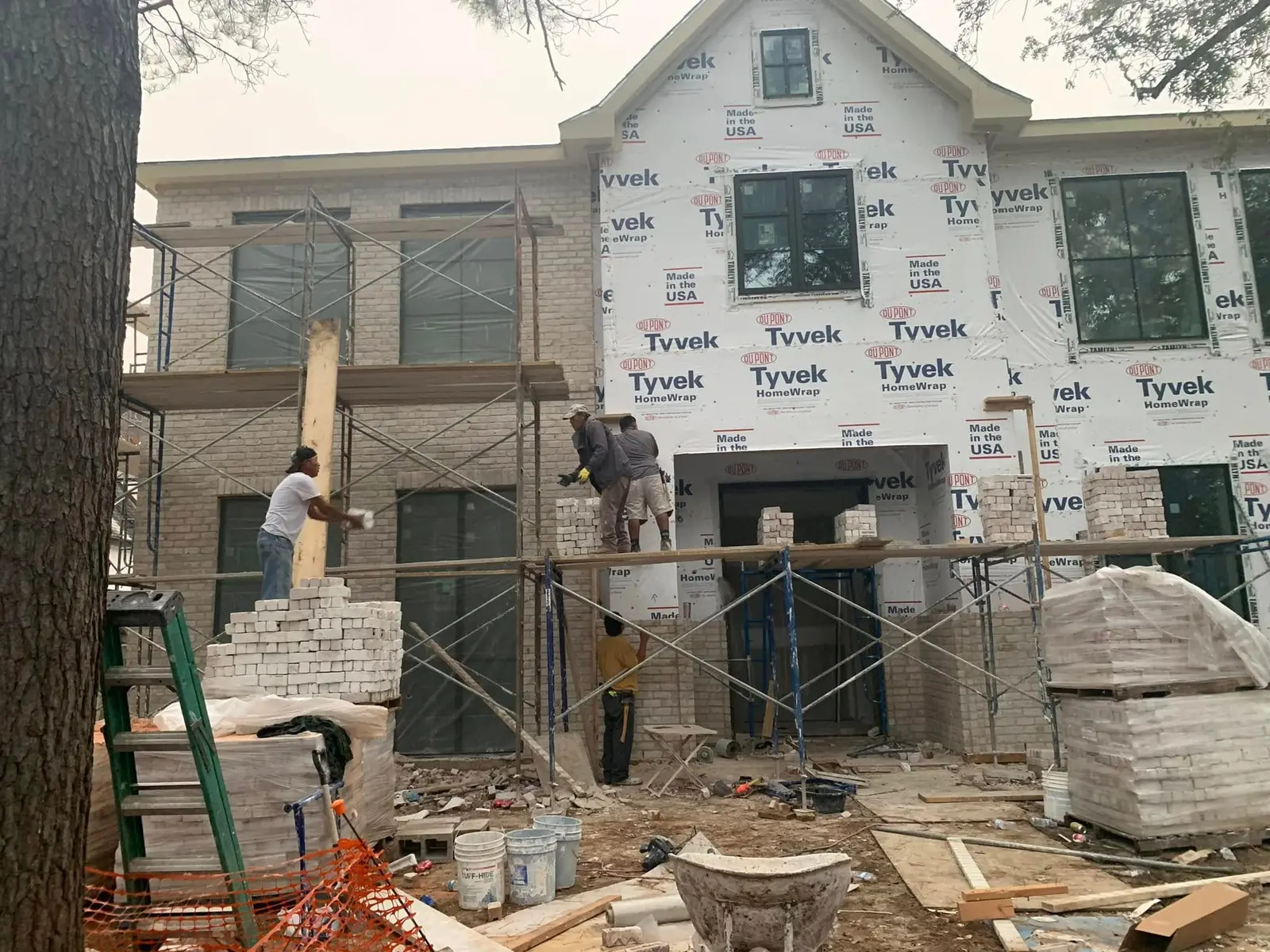
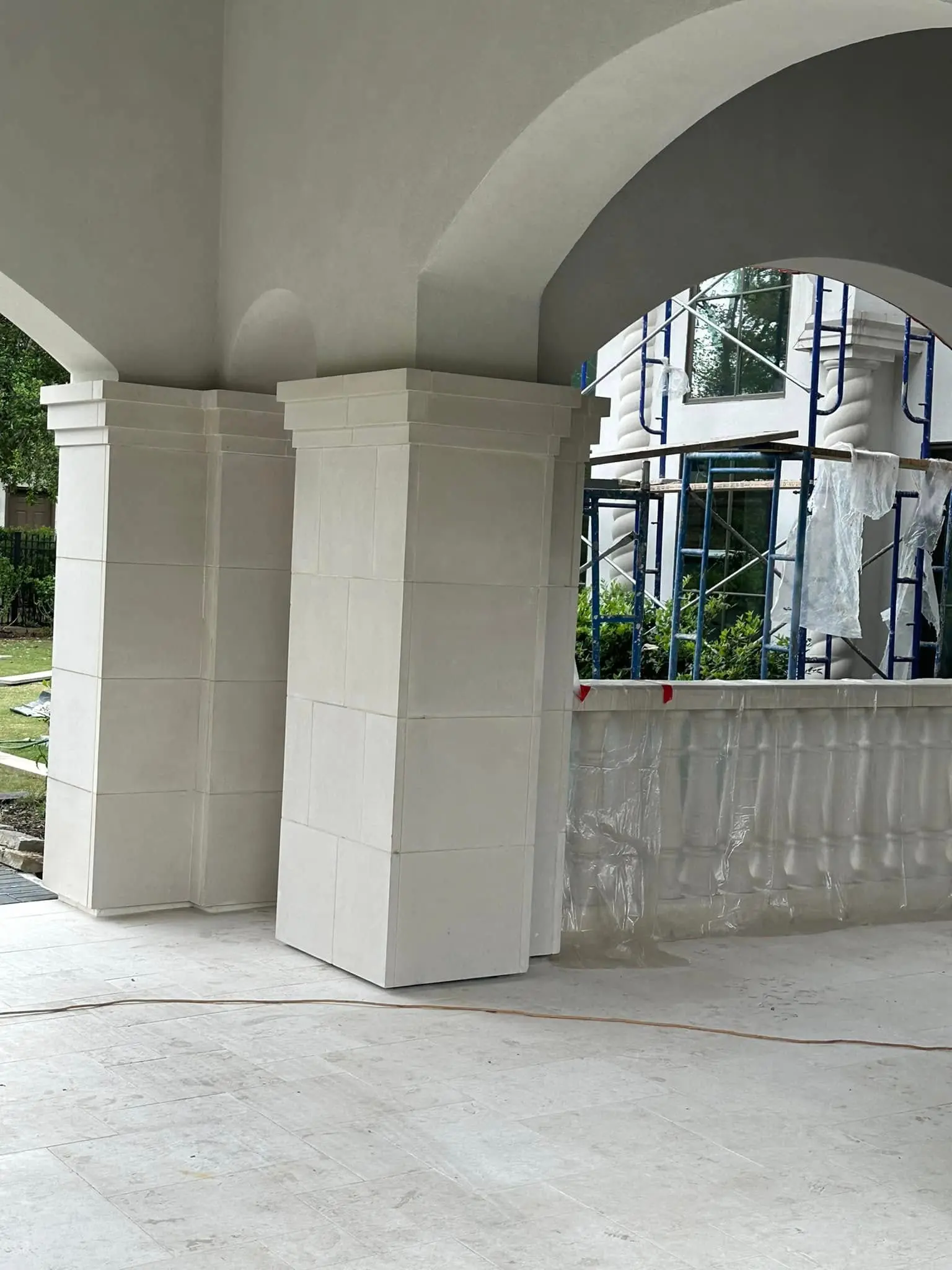
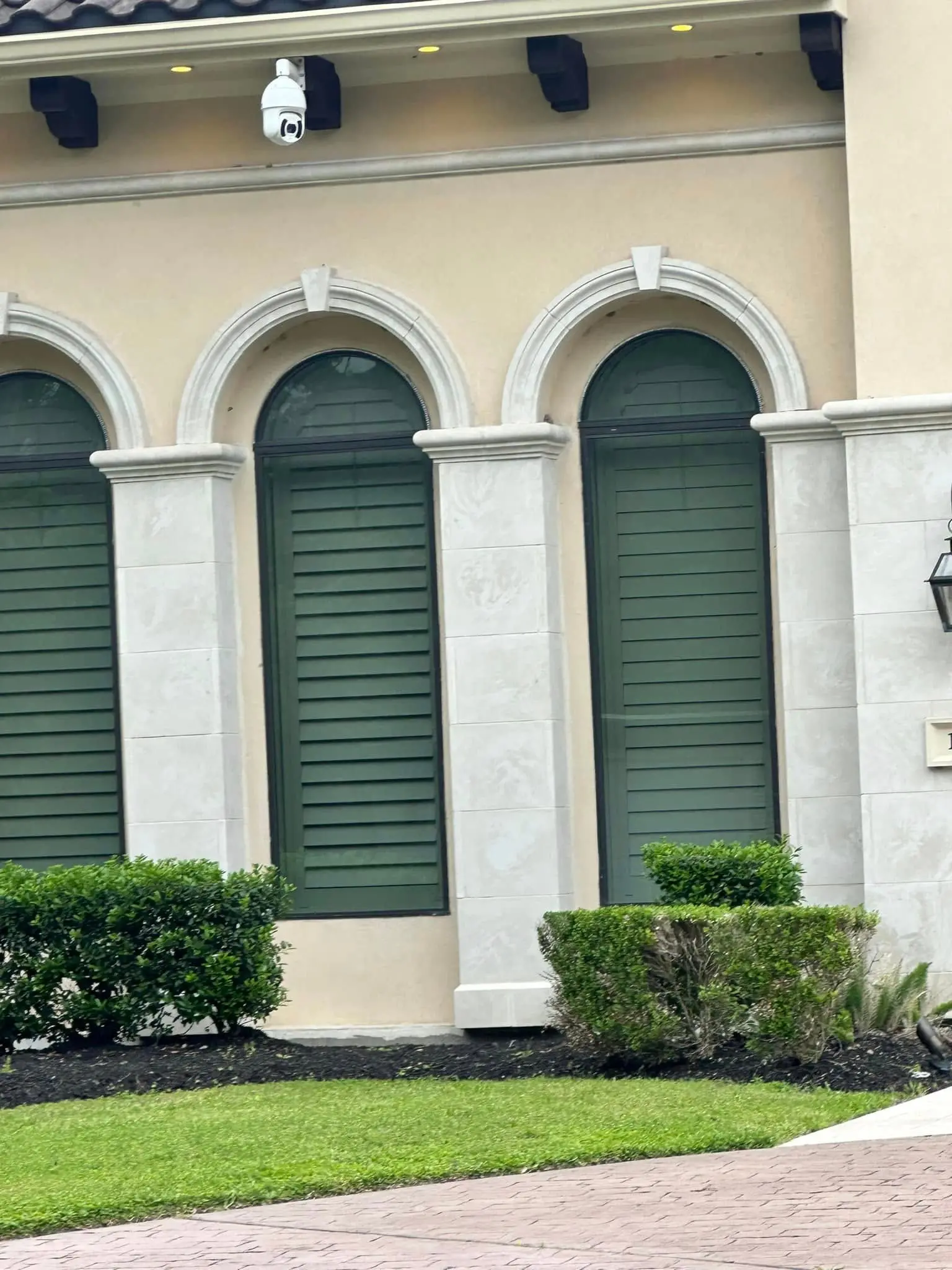
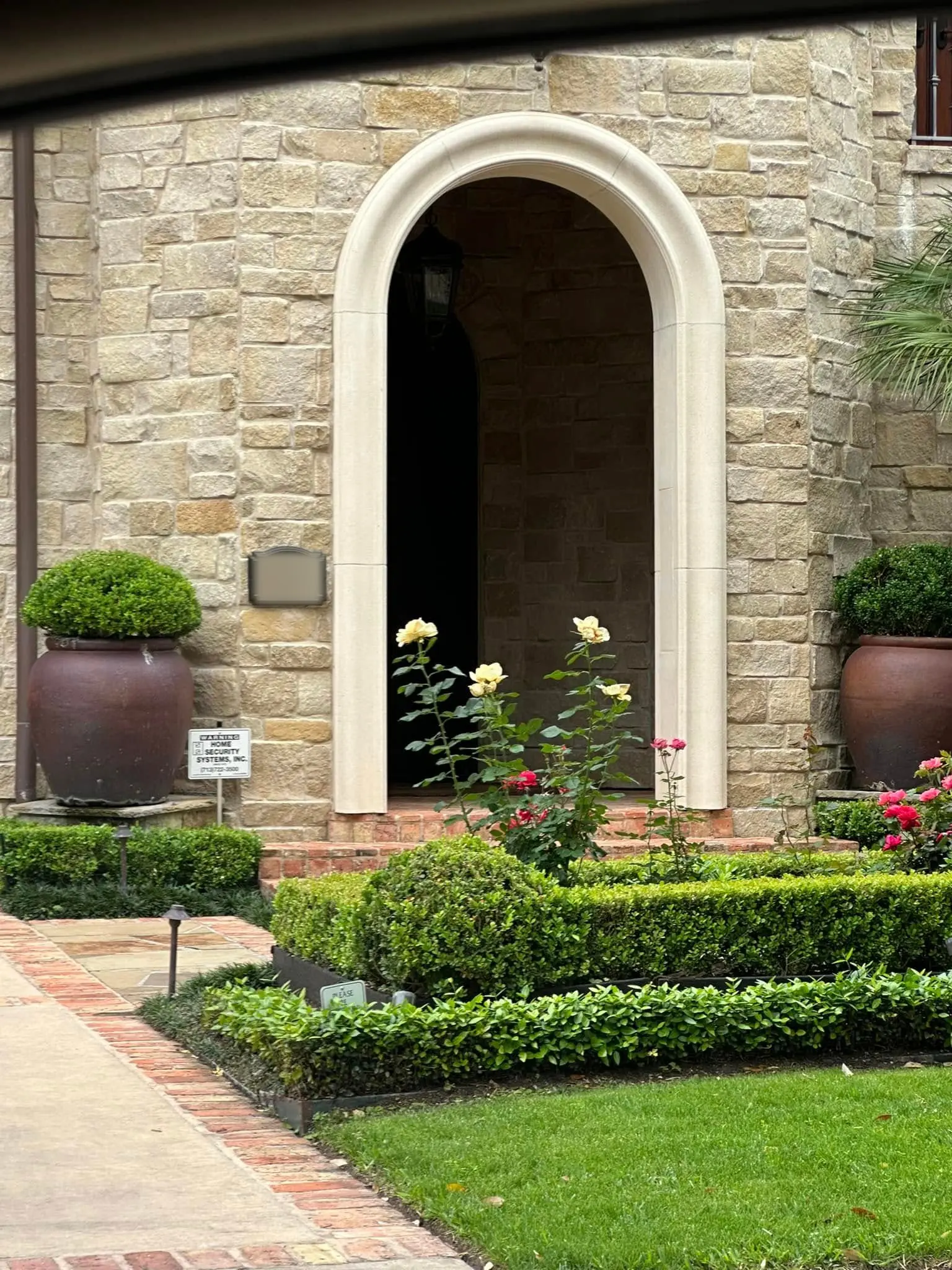
Natural and manufactured stone veneer, and cast-stone surrounds, sills and bands around windows and entries, set by masons from scaffolding.
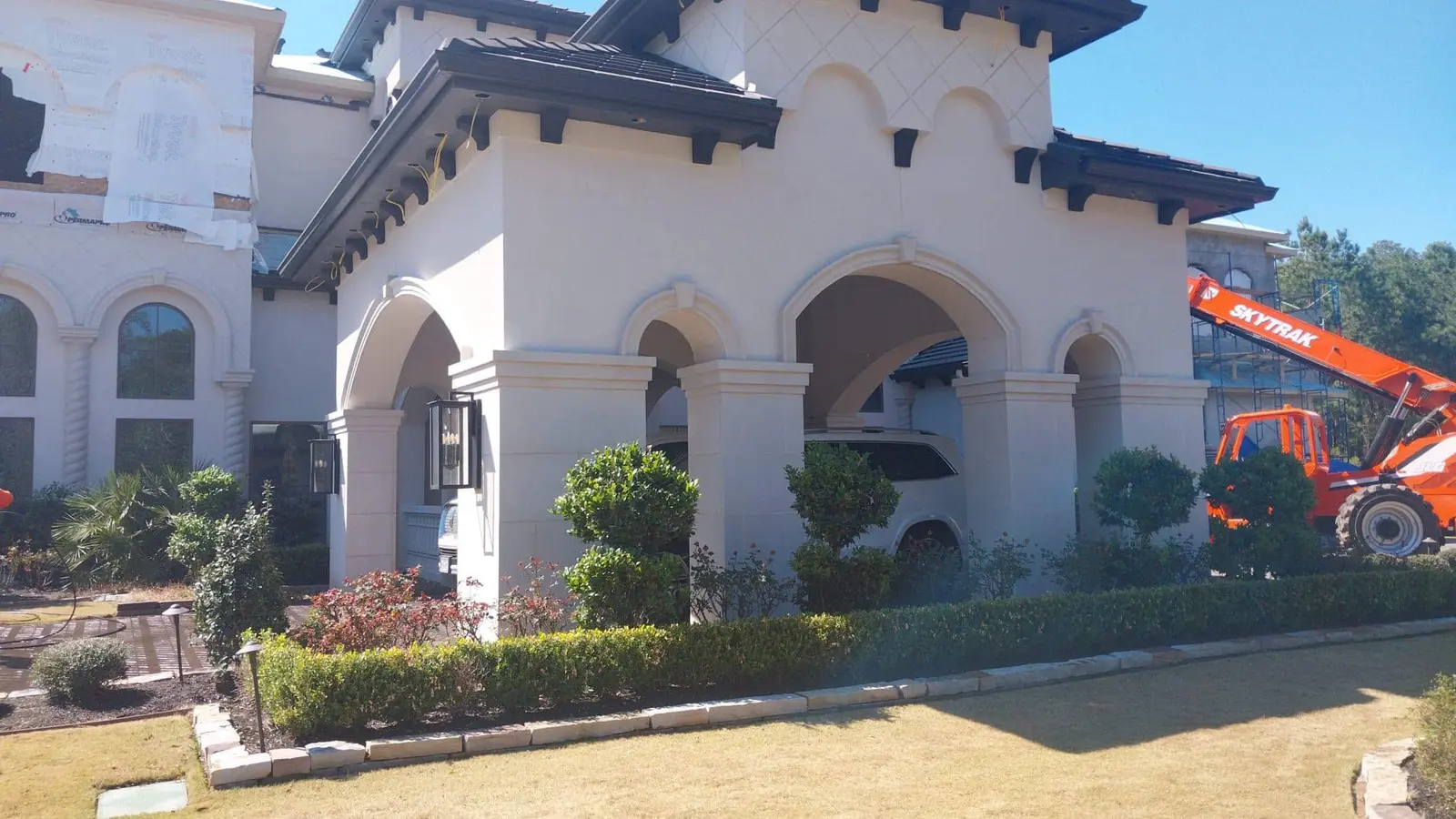
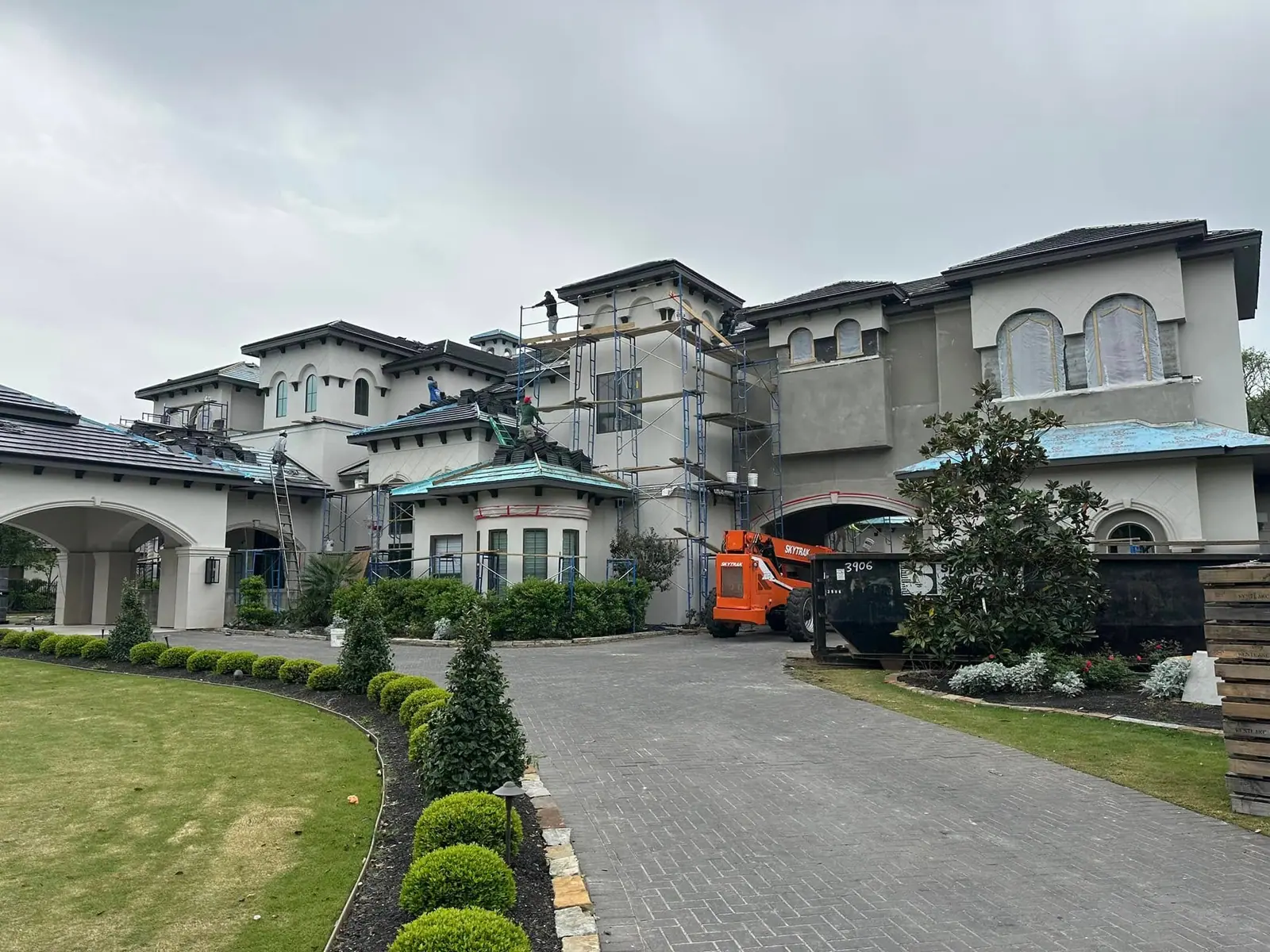
Repairs to cracked and delaminated stucco, re-coating, and new stucco on altered or rebuilt walls, with the drainage layer and control joints that keep it from cracking and trapping water.
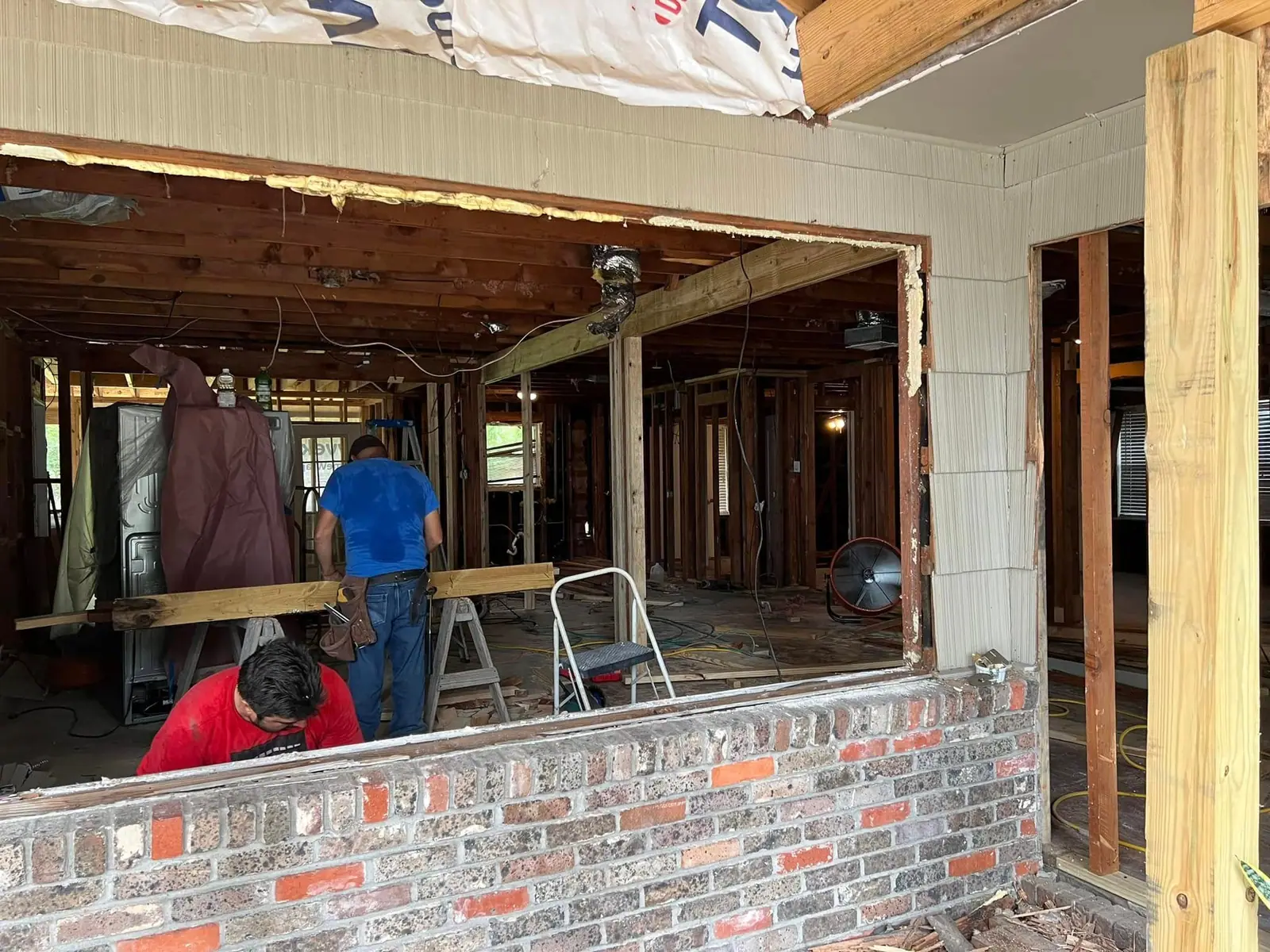
When the cladding is off, openings can be moved, enlarged or re-flashed properly. New windows and doors, fascia, soffit and trim are installed and sealed before the exterior is closed.
Rebuilt porch structure and columns, new entries and covered porches, tied into the house and the roof. See home additions for larger changes.
Houston is hard on the outside of a building. Humidity keeps wood damp for months, storms drive rain sideways into every joint, and the sun bakes paint and sealant on the south and west walls. Most exterior failures are not the cladding wearing out. They are water getting behind it and staying there.
New siding over a rotted wall is a wall that will fail again. Once the old exterior is off we check the sheathing, the studs and plates behind it, and the framing around every opening, and we show you what we find before anything is covered. Rotted sheathing is replaced, damaged studs and headers are repaired by our framing crew, and the wall gets a continuous weather barrier with flashing lapped so water is always directed out.
A company that only installs siding has to work around what it uncovers, or stop and send you to someone else. Because we frame, roof and renovate, the repair is part of the same job: the wall is fixed, not covered.
We do not sell a brand of siding, so this is the comparison as we see it on job sites. The right choice depends on the house, the exposure, the budget and, often, what the neighborhood or HOA allows.
Does not rot and holds paint well in humidity, which is why it is the common replacement for wood siding here. It is heavier than wood, has to be cut and fastened to the maker’s instructions, and still depends on the flashing behind it.
Lighter and quicker to install, with a convincing wood grain. It relies on its factory finish and on every cut edge being sealed, so workmanship matters more.
Long-lived and close to maintenance-free. It is heavy and needs a foundation ledge to sit on, steel lintels over openings, and an air space with weep holes behind it.
Natural stone is the heaviest and most labor-intensive option. Manufactured stone is lighter and adhered to the wall, and it is unforgiving of a missing drainage layer.
A continuous, durable finish that suits Mediterranean and modern houses. It needs control joints and a way for water to drain behind it, and hairline cracking over time is normal.
On a partial renovation or an addition the question is how close the new work can get to the old. Brick and stone are matched from what suppliers have today; an exact match on an older house is not always possible, and we say so before you decide.
Changing the outside of a house is the kind of work other people get a say in. In a City of Houston historic district, or on a designated landmark, altering the exterior generally requires a Certificate of Appropriateness from the city’s preservation office before a permit is issued, and replacing original materials is treated differently from ordinary repair. In master-planned communities such as The Woodlands, and in most subdivisions with an HOA, exterior materials and colors go through an architectural review. We prepare those applications as part of the project; see permit services.
Tell us the age of the house when you ask for an estimate. Homes built before 1978 can have lead-based paint, and federal lead-safe work rules apply when painted surfaces in those homes are disturbed, which affects how the work is set up and who may do it.
The house stays weather-tight throughout: no wall is left open overnight.
We look at every elevation, probe the suspect areas and write the scope and the estimate.
HOA, historic and permit approvals where they apply, and materials ordered and on site before tear-off.
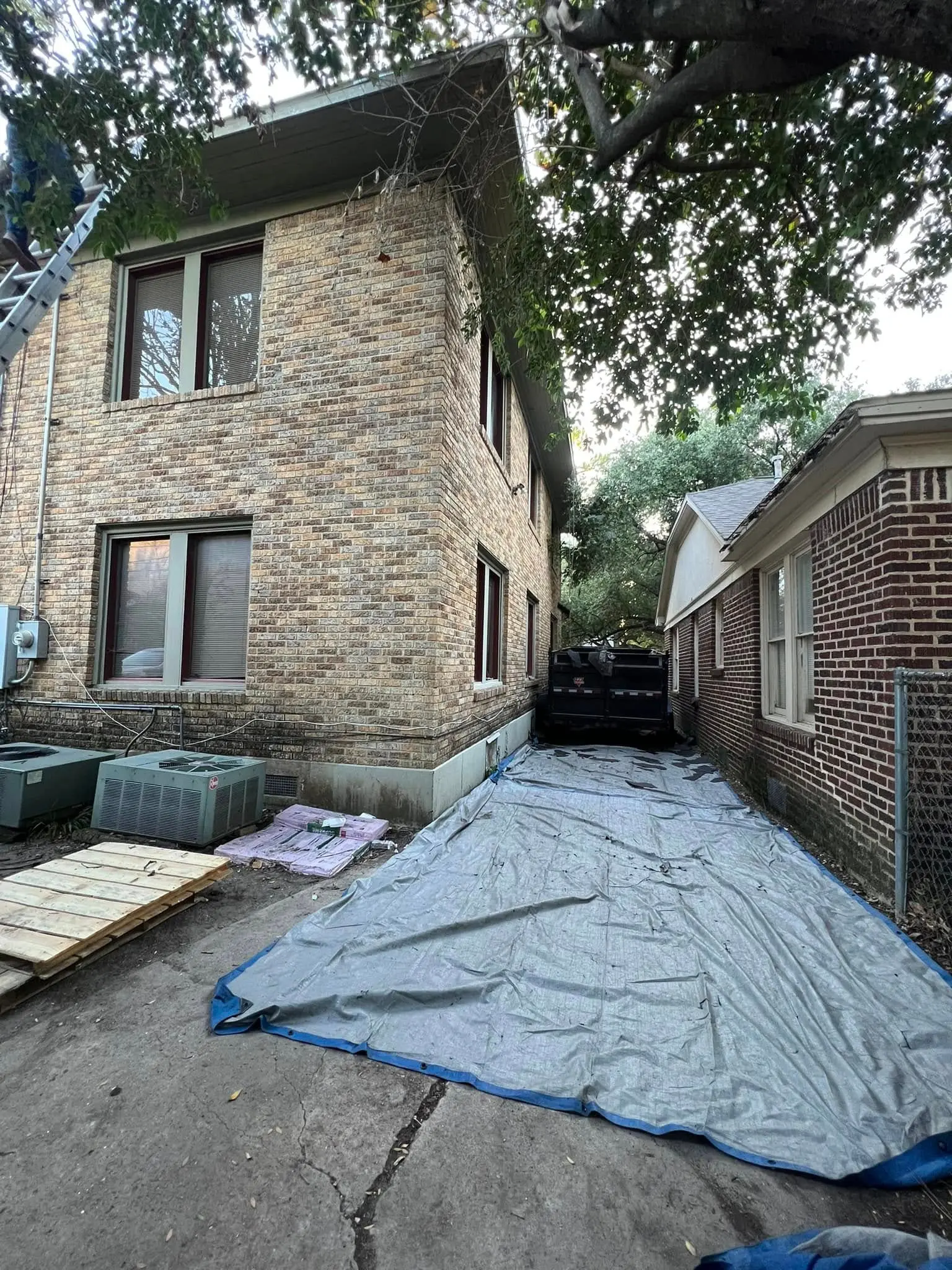
Landscaping, windows and paving are protected, and the old cladding comes off one elevation at a time.
Sheathing and framing are repaired, openings are re-flashed and the wall is wrapped.
Siding, brick, stone or stucco goes on, followed by trim, soffit and fascia.
Caulk, paint, final details, haul-off and a walk around the house with you.
Exterior work is priced from measurements of each wall and from what the cladding is hiding, which nobody can see until some of it is opened. These are the main factors.
After an inspection we give you a written, itemized estimate. Damage that only shows once a wall is open is shown to you and priced as a written change order before it is repaired.
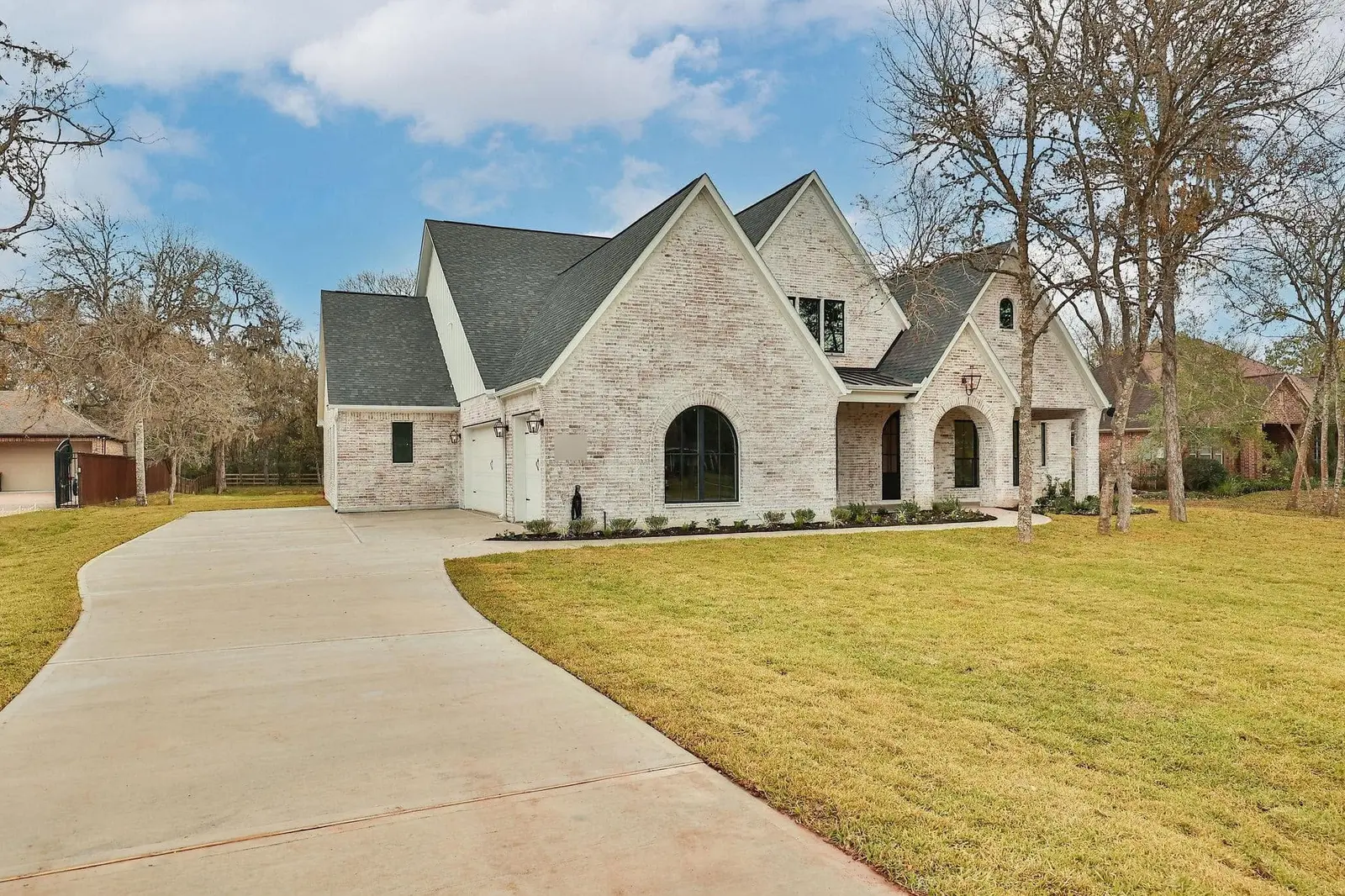
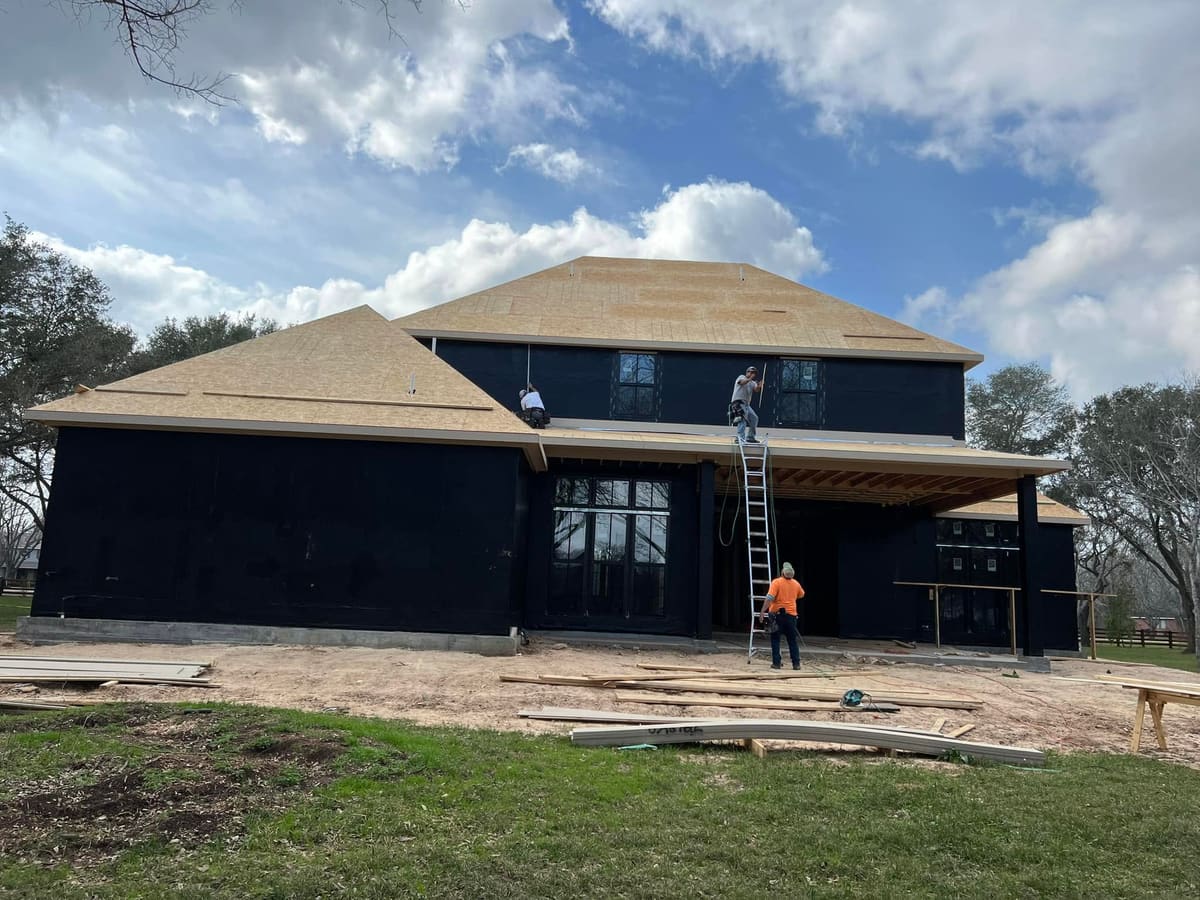
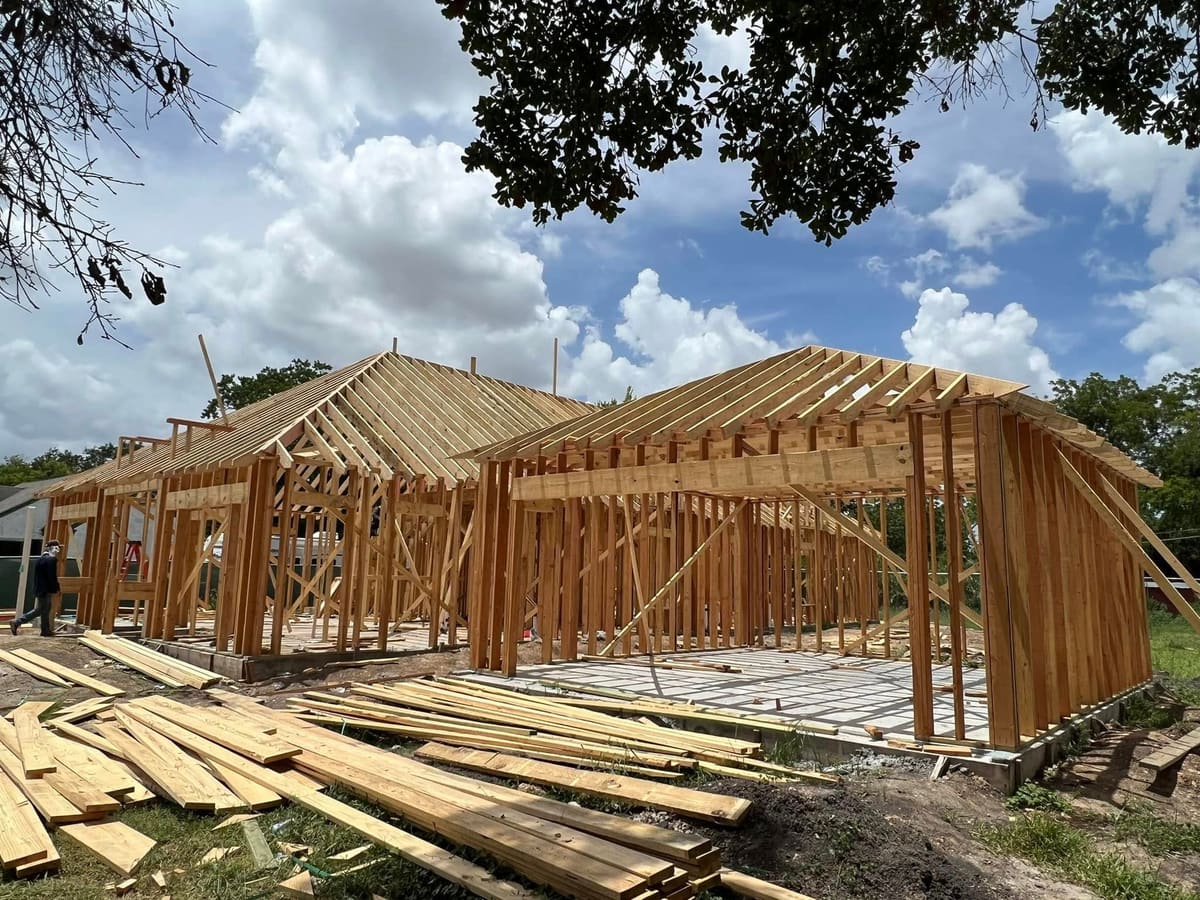
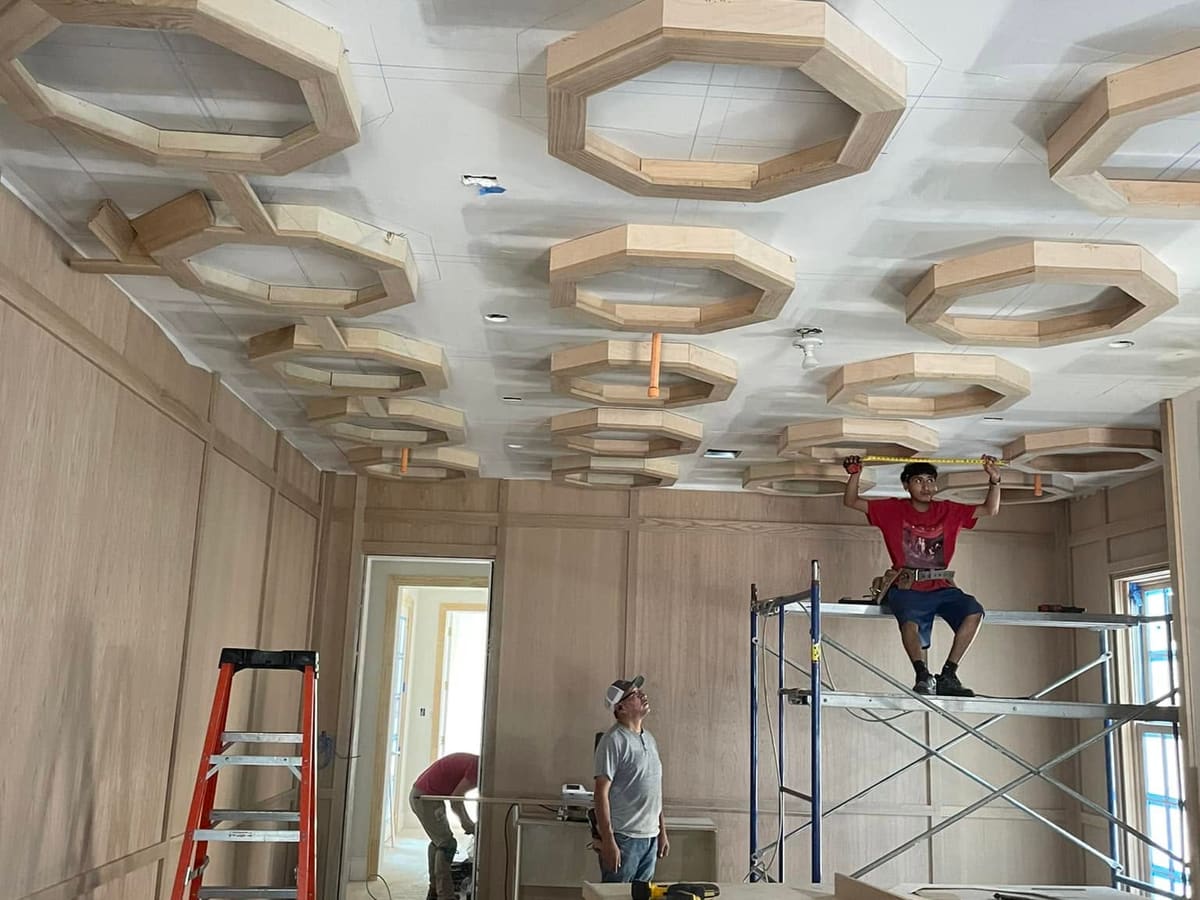
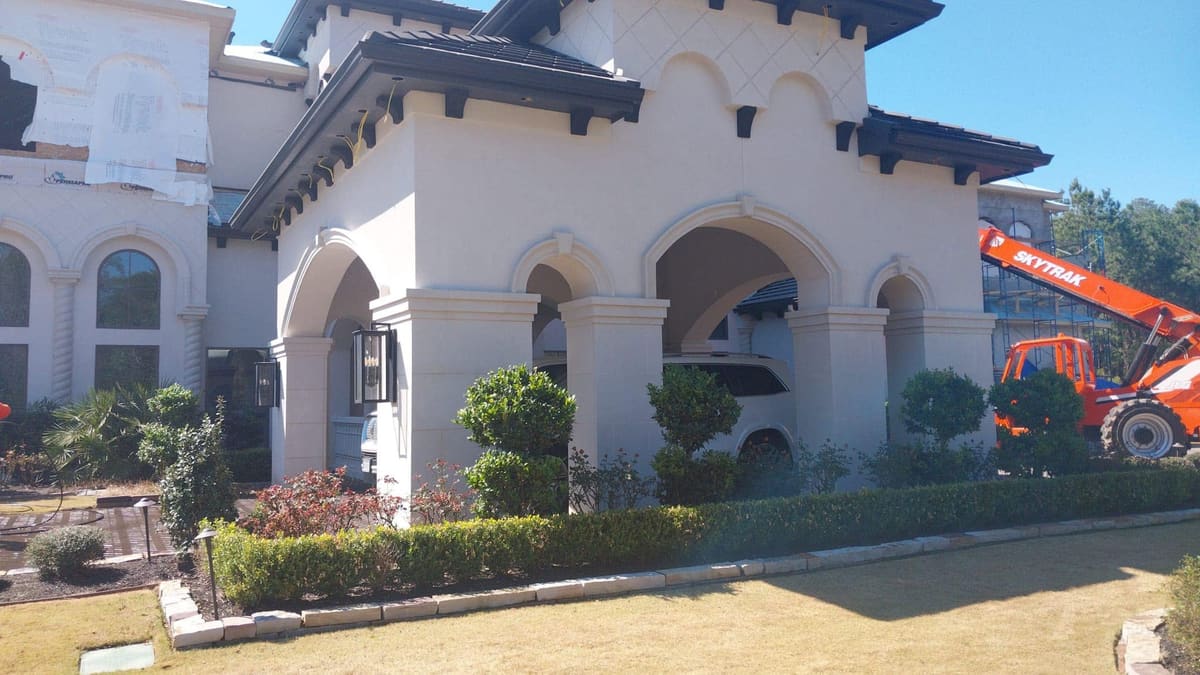
Brick, stone and stucco renovations in progress and finished details from BP Construction Group projects. Select a photo to see it larger.
Still unsure? Ask us directly and we will answer in plain terms.
Send a few details and we will follow up to schedule a site visit. You get a written, itemized estimate before any work starts.
Tell us what you are planning. We follow up to schedule a site visit.